Phishing Simulation & Awareness
Email is still where many attacks start. Phishing simulations let your staff practice recognizing suspicious messages in a safe environment, so real attacks are easier to spot.
Eligible nonprofit partners receive phishing simulation and follow-up coaching from Good Heart Tech at no cost.
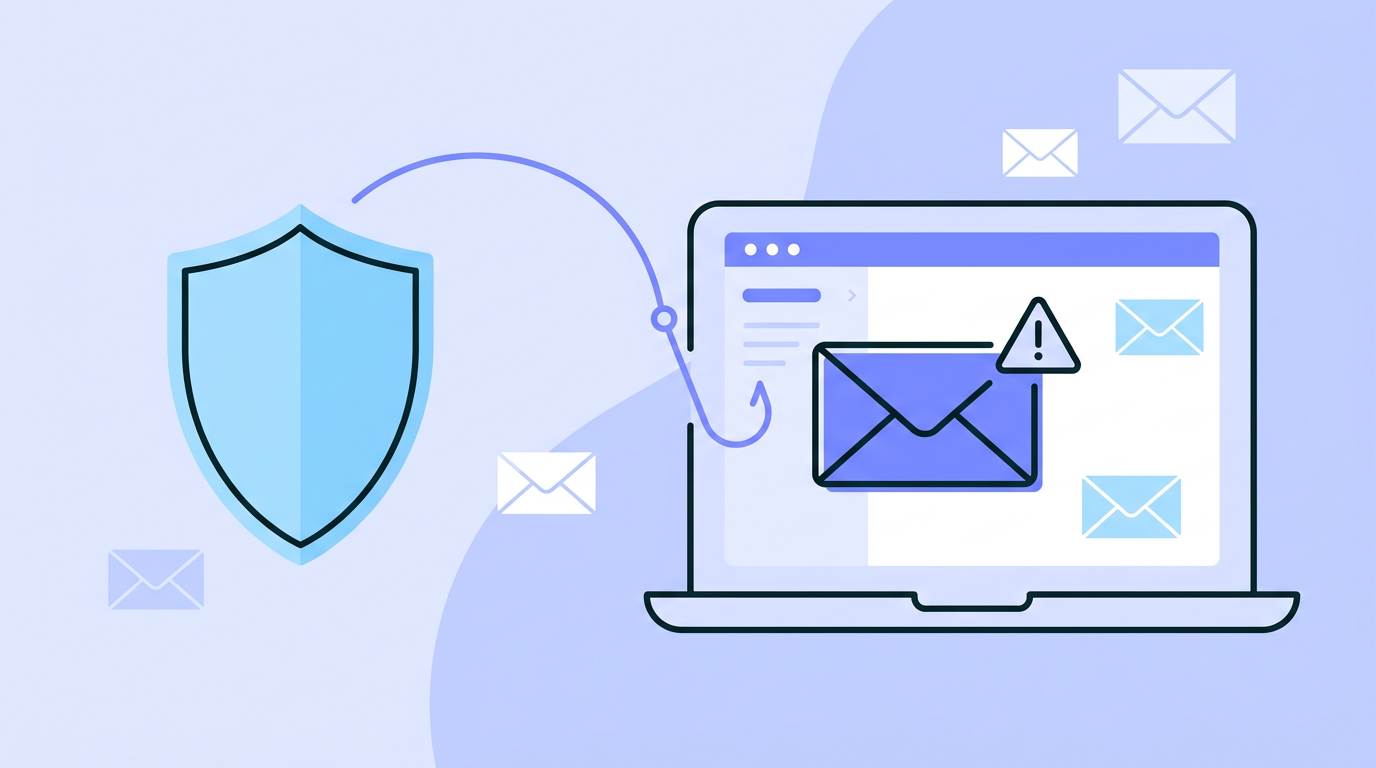
What phishing is
Phishing is social engineering: someone pretends to be a trusted sender to trick people into clicking links, opening attachments, or sharing passwords and financial details. It usually arrives by email, but similar tactics appear in text messages, phone calls, and fake websites.
What a simulation does
A phishing simulation sends carefully crafted practice emails that resemble real threats. When someone interacts with the exercise, they see immediate teaching moments instead of damage. Over time, your organization learns where extra training helps and whether policies (like verification steps for payments) need to be clearer.
- Realistic scenarios: Examples tuned to nonprofit roles: donors, vendors, cloud login pages, urgent “executive” requests.
- Reporting habits: Reinforce using your official “report phishing” workflow, not just deleting mail quietly.
- Metrics you can use: Aggregate trends for boards and leadership without publicly shaming individuals.
Why nonprofits prioritize this
Trust is your brand
Donors, clients, and partners expect you to steward data carefully. One compromised mailbox can cascade into fraud or privacy harm.
Attackers target “soft” sectors
Smaller teams and fundraising visibility can make nonprofits attractive for business email compromise and gift-card scams.
Training scales better than blame
Simulations work best alongside a supportive policy: everyone is allowed to learn. Pair exercises with short refreshers and clear escalation paths when something feels off.
How we work with you
- Discovery: We review your mail platform, acceptable use expectations, and any compliance themes you care about.
- Campaign design: We agree on difficulty, timing, and whether to include executives and volunteers.
- Results and coaching: We walk through aggregate results and practical next steps, including optional micro-training for common tripwires.
Simulations complement other defenses: MFA, secure email settings, backups, and SaaS security monitoring for cloud configuration drift. For a deeper read, see our article on phishing simulation for nonprofits.
Start a conversation
Tell us your size, your email system, and whether you have run simulations before. We will recommend a sensible first campaign and timing for eligible partners.
Contact Us